
What Parents Should Know About Spring Allergies in Young Children
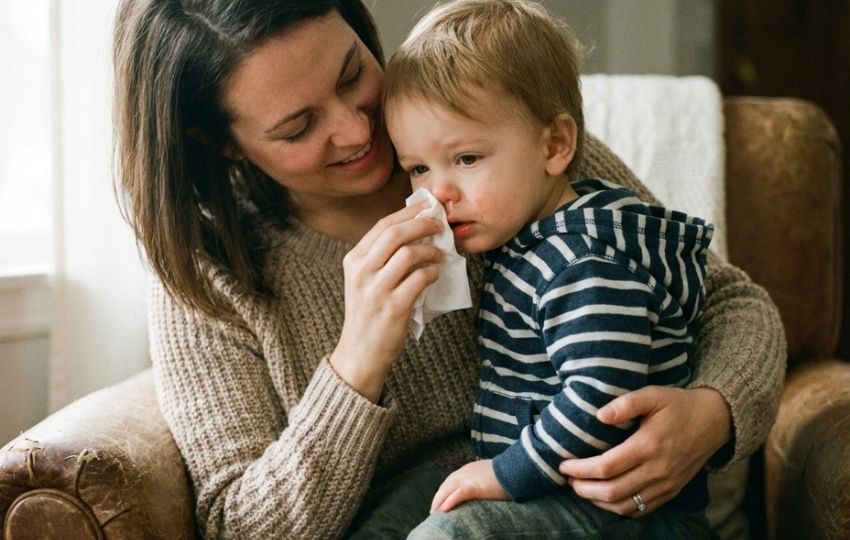

Spring is a welcome change after winter, warmer days, more time outside, and kids bursting with energy. But for many families, spring also brings sniffles, itchy eyes, and constant questions like “Is this a cold… or allergies?”
Spring allergies are common in young children and understanding what’s normal (and what’s not) can help parents feel more confident during the season.
Are Spring Allergies Common in Young Children?
Yes, while allergies are more noticeable in older children, even toddlers and preschoolers can be affected by spring allergens like pollen, grass, and mold. Children who spend more time outdoors or in group environments may show symptoms more quickly as pollen counts rise.
Common signs of spring allergies in young children include:
- Runny or stuffy nose with clear mucus
- Sneezing fits, especially in the morning
- Itchy, watery, or red eyes
- Coughing caused by post-nasal drip
- Fatigue or irritability from disrupted sleep
Unlike colds, allergies usually don’t come with a fever and tend to linger as long as allergens are present.
Why Spring Can Feel Harder on Little Bodies
Young children are still building their immune systems, so seasonal changes can hit them a bit harder. Longer outdoor play, open windows, and frequent transitions between inside and outside environments all increase exposure to allergens.
For families using child care, this season often brings a mix of excitement and adjustment. Children are playing outside more, engaging in group activities, and experiencing new routines, all great for development, but also a time when allergy symptoms may become more noticeable.
How Parents Can Help Manage Spring Allergies
While allergies can’t always be avoided, there are simple ways to help reduce symptoms:
- Change clothes after outdoor play to reduce pollen exposure
- Wash hands and faces when coming inside
- Keep windows closed during high-pollen days
- Stick to consistent sleep routines to help with fatigue
- Talk to your pediatrician if symptoms interfere with daily activities
Consistency is key. Children often do best when daily routines stay predictable, especially during seasonal changes.
The Role of Child Care During Allergy Season
A quality child care environment can be especially supportive during spring allergy season. Clear communication between parents and caregivers helps ensure children are comfortable and cared for throughout the day.
Many child care providers:
- Monitor children for allergy-related symptoms
- Encourage regular handwashing and hygiene
- Balance outdoor play with indoor rest when needed
- Maintain clean learning and play spaces
Having attentive caregivers who understand seasonal allergies can give parents peace of mind, knowing their child’s needs are being noticed and addressed.
When to Check In With Your Pediatrician
If your child’s symptoms seem severe, last longer than expected, or interfere with sleep, appetite, or play, it’s worth having a conversation with your pediatrician. They can help determine whether symptoms are allergy-related and discuss appropriate treatment options for young children.
Spring Is Still a Season for Growth
While spring allergies can be frustrating, they don’t have to slow your child down. With a little awareness and support, children can continue to enjoy all the benefits of the season, fresh air, outdoor play, and new milestones.
For many families, consistent routines at home and in child care help children feel secure and supported as they navigate the ups and downs of spring. If you are looking for quality child care this spring, our team at Grow With Us Learning Academy would love to hear from you. Contact us today for more information.